You’ve had a sore throat for four days. The pharmacy is five minutes away, and all you want is a bottle of pills. So, can you buy antibiotics over the counter? In the US, no. Oral antibiotics, including azithromycin and doxycycline, need a prescription from a licensed clinician. Only a few topical products, like ointment for a scraped knee, sit on the shelf without one.
That sounds like a hassle. It’s a safeguard, and getting prescription antibiotics is usually faster than people expect. Here’s what you can buy, what you can’t, and how to get antibiotics today.
Can you buy antibiotics over the counter in the US?
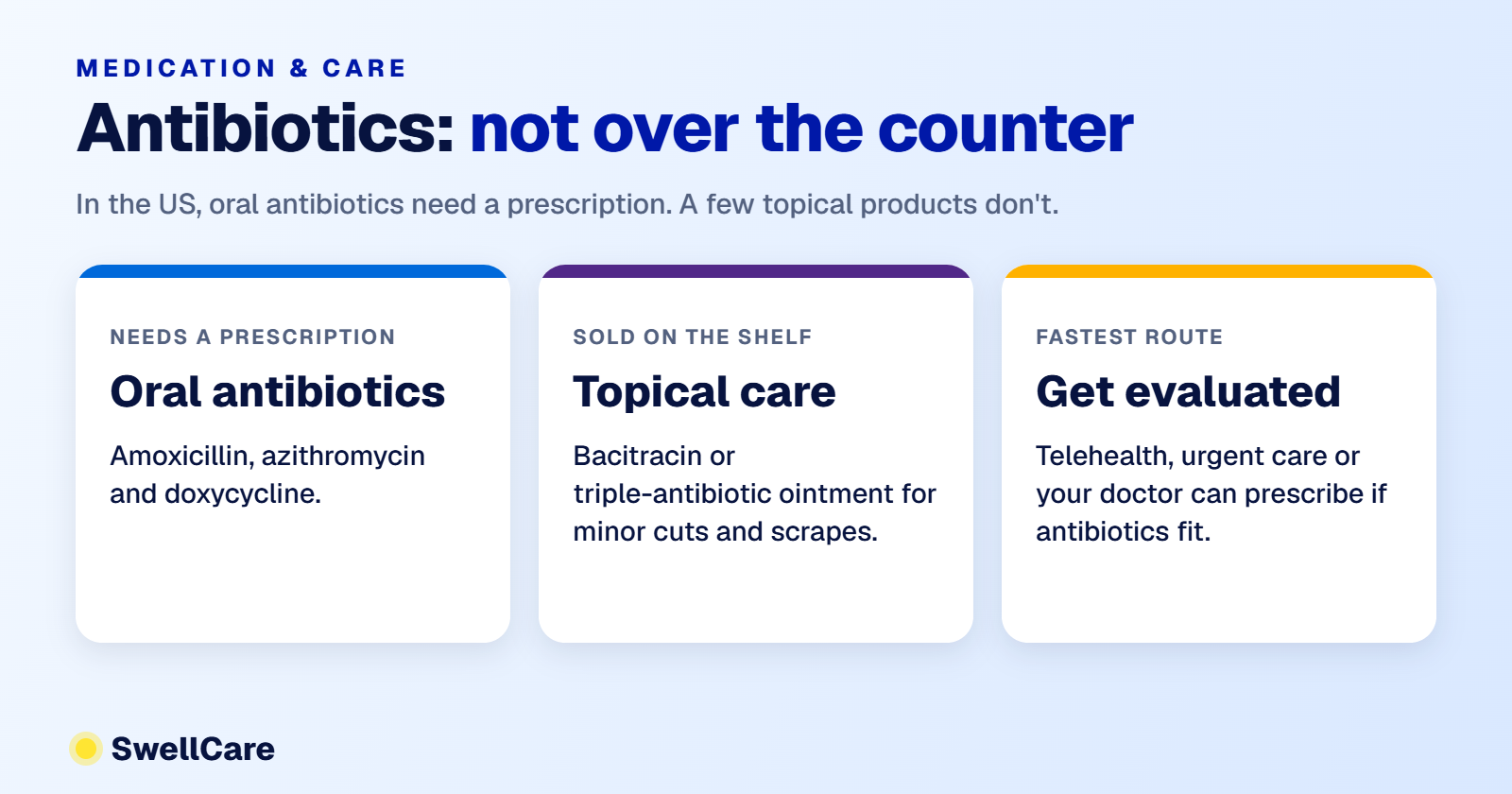
Short answer: no, not the antibiotics that treat a bacterial infection like strep throat, an ear infection or a urinary tract infection. In the US, those antibiotics are prescription-only drugs. A doctor or other healthcare provider has to diagnose the problem first.
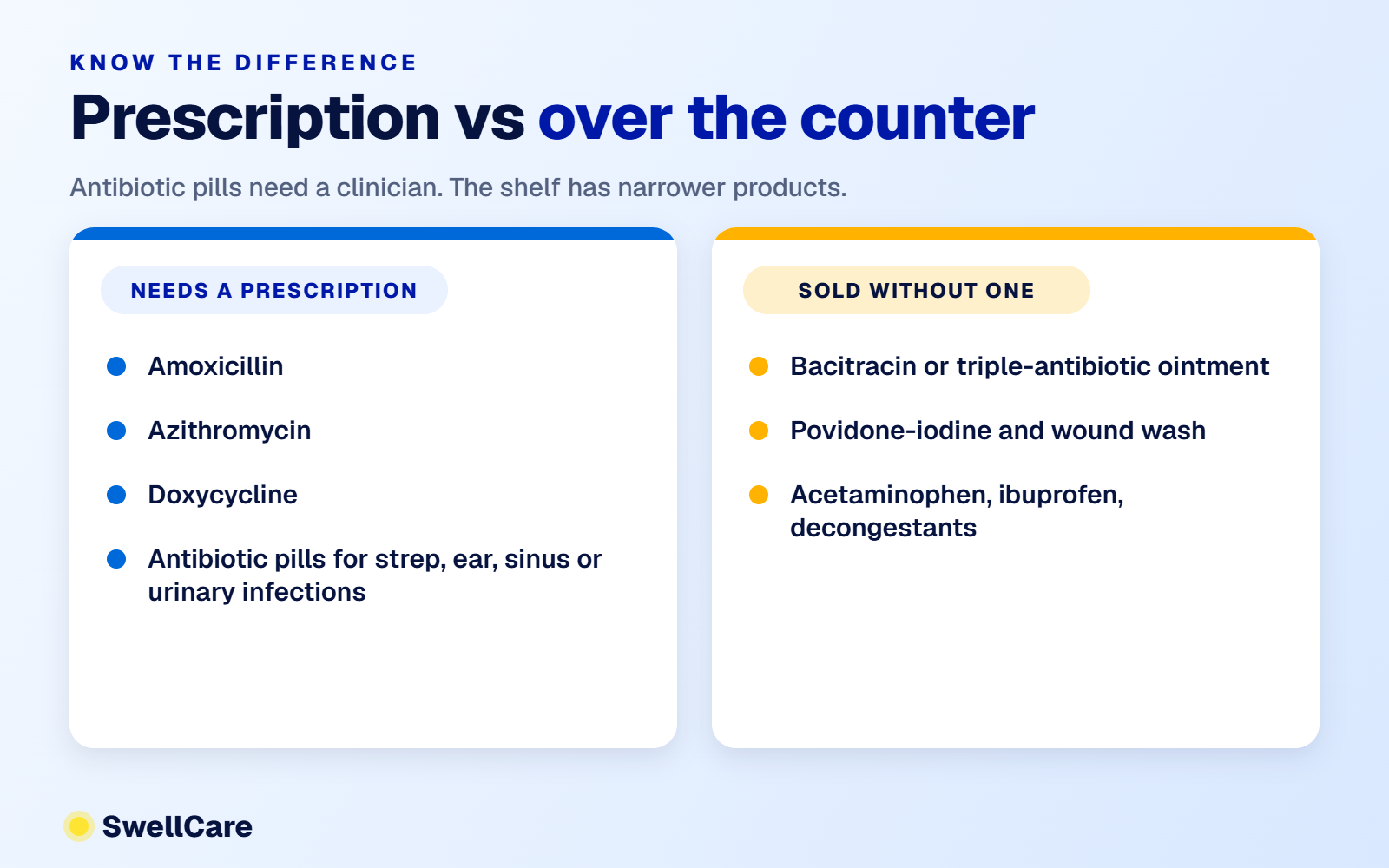
What you can buy without a prescription is narrower. It works on the surface of your skin or eases symptoms, and it doesn’t treat a bacterial infection inside your body.
| Sold without a prescription | Needs a prescription |
|---|---|
| Bacitracin or triple-antibiotic ointment | Amoxicillin |
| Povidone-iodine and wound wash | Azithromycin |
| Acetaminophen, ibuprofen, decongestants | Doxycycline |
Rules differ from country to country, so advice from a UK or overseas site may not apply here. Everything below covers the United States.
Why antibiotics are prescription-only
One idea sits behind the rule: antibiotics help only when they match the infection. Three problems show up when antibiotics are used without that match.
They only work on bacteria
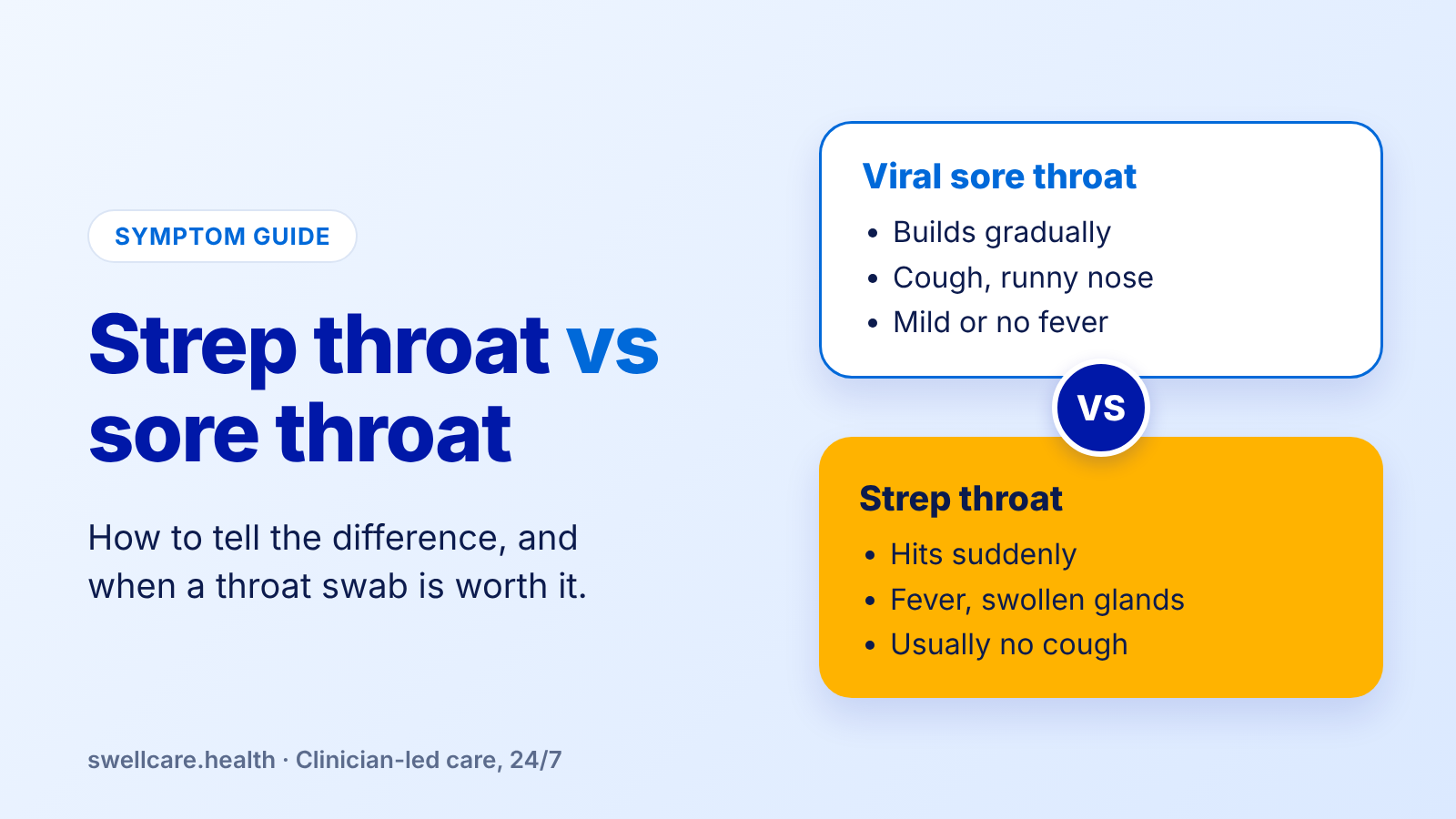
Antibiotics kill bacteria or stop them from multiplying. Antibiotics do nothing against viruses. The CDC says viruses cause colds, flu, most sore throats (strep is the exception) and most chest colds, and that antibiotics won’t make you feel better if a virus is behind your illness.
A doctor can tell the difference. A pharmacy shelf can’t. Even among bacterial infections the choice matters, because the antibiotics that suit strep throat aren’t the ones doctors usually reach for with a bladder infection. Many bacterial sinus and ear infections get better without antibiotics, and a bacterial throat infection still needs a test to confirm.
They carry real side effects
Common side effects of antibiotics include rash, nausea, diarrhea, dizziness and yeast infections. Serious ones include *C. diff* infection and severe allergic reactions. A CDC side effects page notes that 1 out of 5 medication-related emergency room visits come from reactions to antibiotics.
A prescriber asks about allergies and your other medicines before recommending antibiotics. Nobody does that when you grab a bottle yourself.
They fuel antibiotic resistance
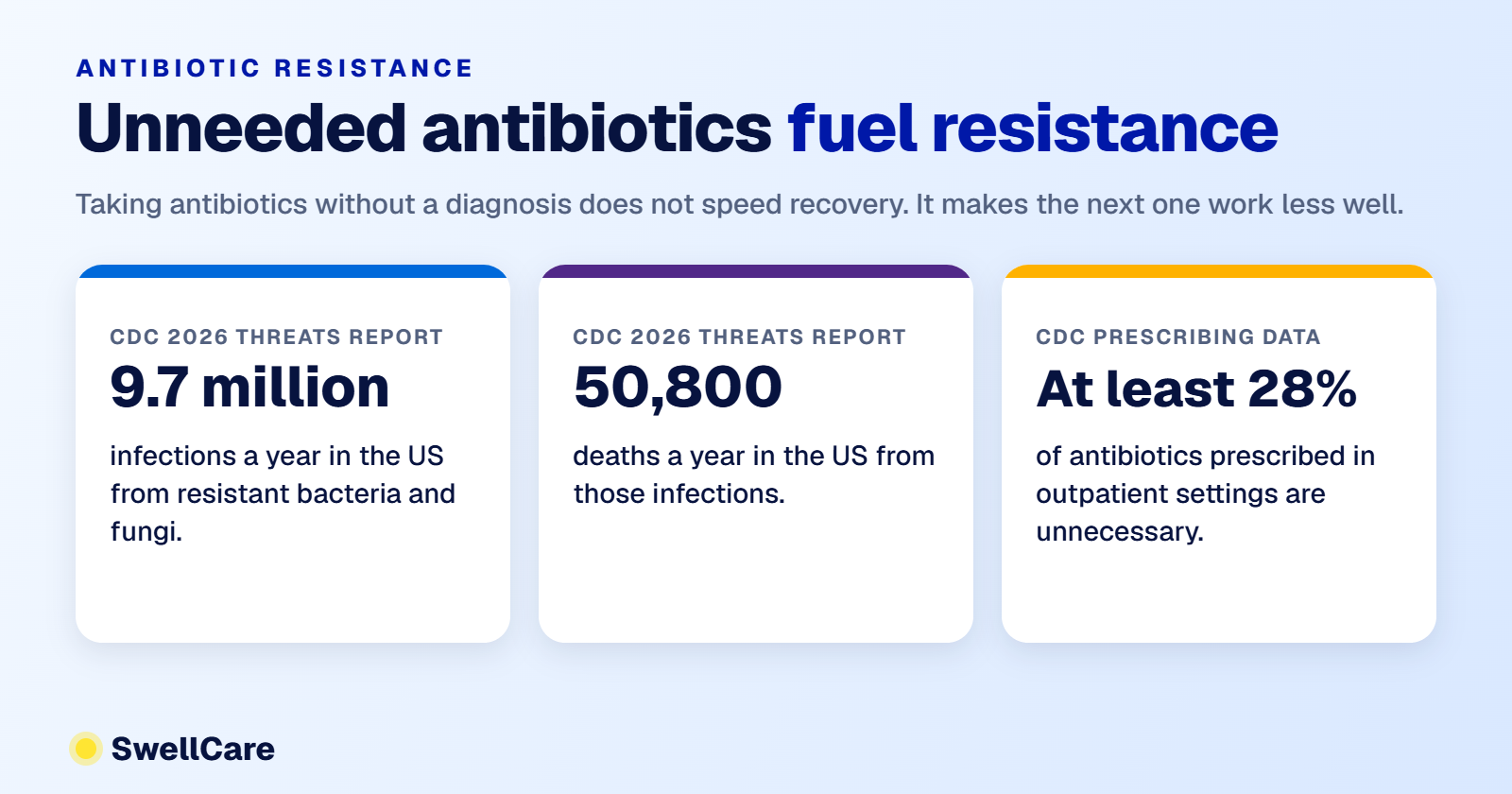
Every unneeded dose of antibiotics gives bacteria a chance to adapt, and that’s how antibiotic resistance spreads. Resistant bacterial infections are harder to treat, and fewer antibiotics work against them. The bacteria and fungi in CDC’s 2026 threats report cause an estimated 9.7 million infections and 50,800 deaths a year in the US, though the agency warns the figures can’t be compared directly with earlier reports because its methods changed. And at least 28% of antibiotics prescribed in outpatient settings are unnecessary, according to the agency.
What you can buy over the counter instead
Not everything on the shelf is useless. It just has a narrower job than prescription antibiotics.
Topical antibiotic ointments
Bacitracin and triple-antibiotic ointment (bacitracin, neomycin and polymyxin B) are made for minor cuts, scrapes and burns. These topical products help keep a small skin wound clean. They can’t reach a bacterial infection inside you, so they won’t touch strep throat, a sinus infection or a UTI.
Neomycin causes an itchy skin reaction in some people. Stop using the ointment if the skin gets redder or a rash appears.
Antiseptics and wound care
Antiseptics such as povidone-iodine clean skin and surfaces. They aren’t antibiotics, and they don’t replace antibiotics for a bacterial infection. Good wound care mostly means rinsing a wound with clean water, covering the wound, and changing the dressing daily. Nothing sold as a “natural antibiotic” has been proven to replace a prescription for a bacterial infection, so skip those supplements.
Symptom relief that actually helps
Acetaminophen or ibuprofen handles pain and fever. Decongestants ease a stuffy nose, saline spray helps sinuses, and honey soothes a cough in adults and children over one year old. Add fluids and sleep. It’s unglamorous, and it’s what works when symptoms come from a virus.
Why fish antibiotics and leftover pills are a bad shortcut
Search online and you’ll find antibiotics sold for aquarium fish, with names that match human antibiotics. The FDA has said these products haven’t been approved, conditionally approved or indexed by the agency and carry “no assurance of purity, safety or effectiveness”, as reported by Smithsonian Magazine.
Leftover antibiotics are no better. The federal advice is blunt: don’t save them for later, don’t share them, and don’t take someone else’s. The wrong medicine can delay proper treatment and cause severe side effects. Drop unused pills at a drug take-back program, or ask a pharmacist.
How to get antibiotics legally, and fast
If you do need antibiotics, you have more routes than you think.
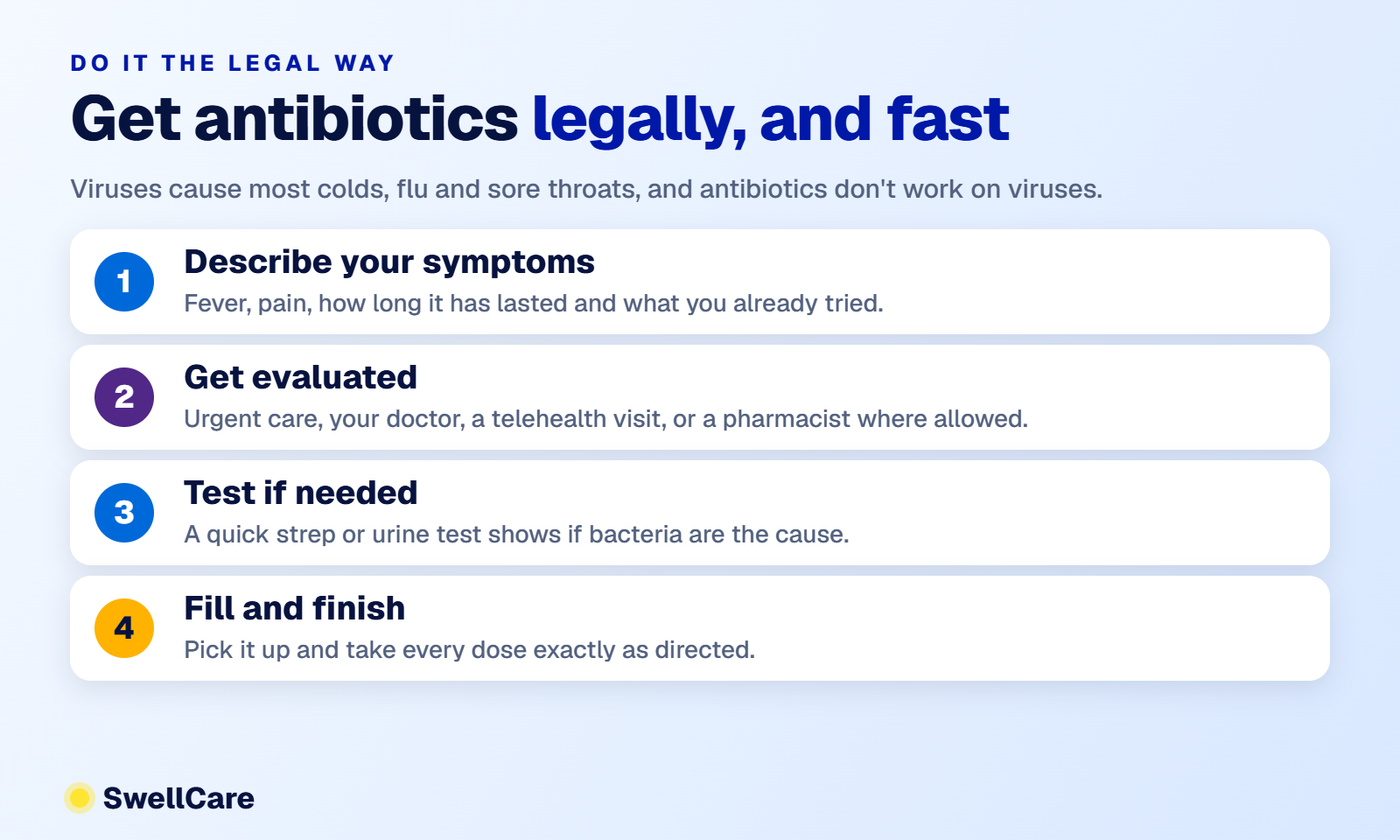
Start with an evaluation. Your primary care doctor and a local urgent care center both work. So does telehealth: a licensed clinician reviews your symptoms by video or chat, arranges a test when one is needed, and sends a prescription to your pharmacy if antibiotics make sense. Telehealth has limits, though. You may be sent in person for a throat swab, a urine test or an exam.
Some states also let a pharmacist test and prescribe for conditions such as UTIs and strep, often through agreements with local physicians. Becker’s Hospital Review counted more than a dozen states in 2022, with more states weighing direct prescribing authority, so ask your pharmacist what’s allowed where you live.
SwellCare’s online urgent care runs around the clock, so a bad sore throat at 10 p.m. doesn’t have to wait until morning.
Prescribing antibiotics isn’t automatic. If your illness looks viral, a good doctor will say so and give you a plan for relief. That’s the right outcome, not a refusal.
When to see a doctor right away
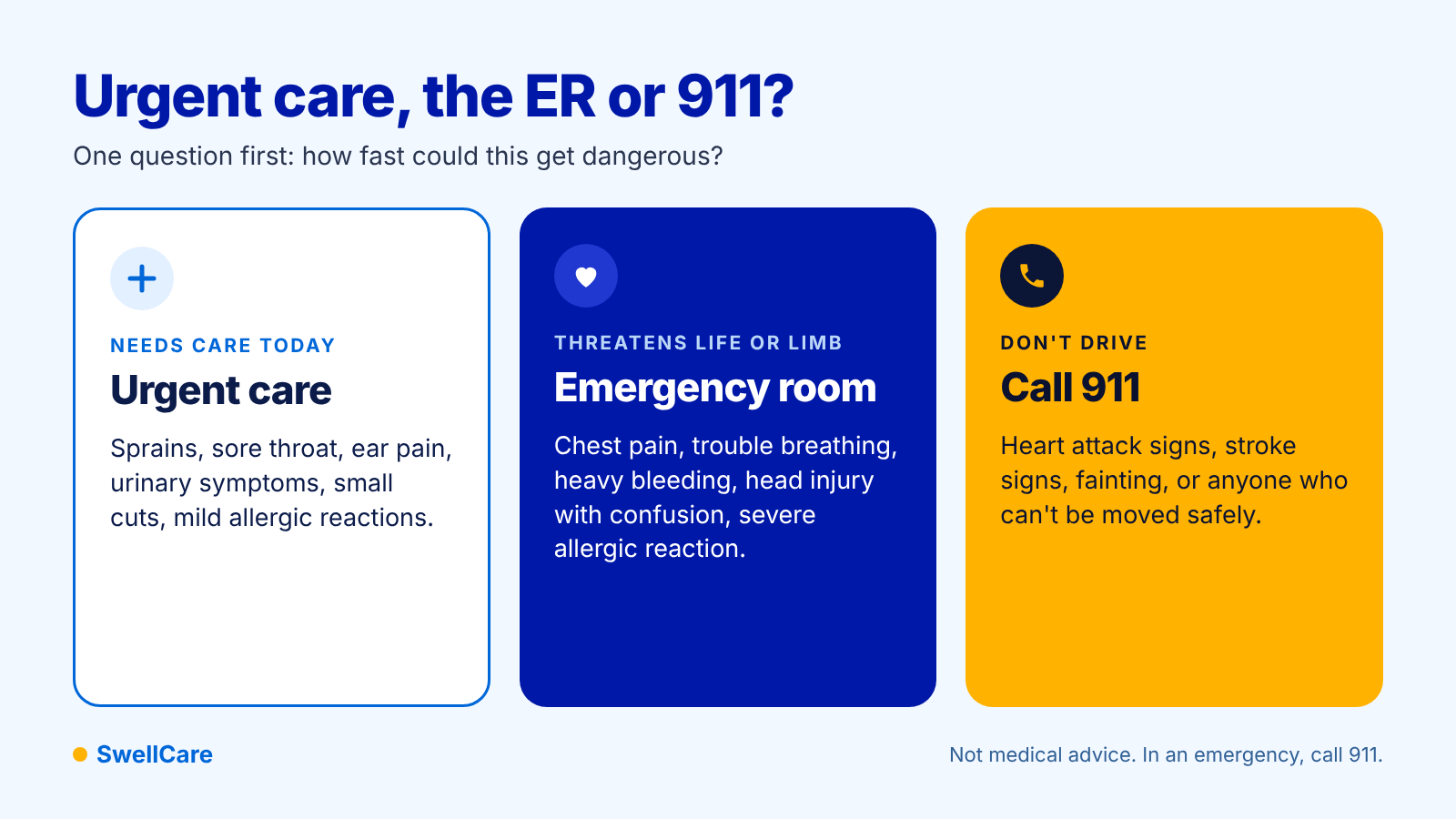
Call your doctor about a fever that won’t come down, symptoms that get worse after a few days, or symptoms that don’t improve on antibiotics. Don’t wait on anything that hasn’t improved in about a week. Get care quickly for severe pain, a stiff neck, a spreading rash, or blood in your urine with back pain and fever. Call 911 or go to the ER for trouble breathing, chest pain or confusion.
Get an answer today instead of guessing
You don’t have to self-treat a possible infection. Tell a clinician what symptoms you’re feeling and get a real diagnosis. You leave with a prescription if antibiotics fit, or a plan if they don’t. Prescriptions are never guaranteed. Browse the conditions our urgent care team treats, see how a visit works, or start an urgent care visit now. Need a refill on an existing prescription? Our medication refills page explains how.
Questions people ask about buying antibiotics
Can you buy antibiotics over the counter online?
Not legally in the US without a prescription. A site that ships pills with no consult is a red flag. A legitimate online care service has a licensed clinician evaluate you first, then sends any prescription to a real pharmacy.
Can you buy amoxicillin over the counter?
No. It’s a prescription antibiotic in the US. It’s often used for some throat, ear and sinus infections, but a doctor has to confirm that it fits your illness before writing the order.
Is Neosporin an antibiotic?
Original Neosporin contains antibiotic ingredients, but it’s a topical ointment for minor cuts and scrapes. It can’t treat a throat, ear, sinus or urinary infection. For those, you need a diagnosis and, if bacteria are the cause, a prescription.
Can a pharmacist prescribe antibiotics?
In some states, yes, for limited conditions such as UTIs or strep after a quick test. Rules vary widely by state and sometimes by pharmacy. Call ahead and ask what your local pharmacist can offer before you make the trip.
Can I use leftover antibiotics?
No. Federal guidance says not to save antibiotics for later or take ones prescribed for someone else. Using the wrong drug can delay proper treatment and cause serious side effects, and misuse feeds antibiotic resistance. Use a take-back program to dispose of extras safely.
What can I take instead of antibiotics?
For a virus, take acetaminophen or ibuprofen for pain and fever, use a decongestant or saline spray for congestion, try honey for a cough (adults and kids over one), and rest. If symptoms worsen or linger, get evaluated by a healthcare provider.
Trusted references
Public-health, research, and medical-society resources related to this guide.