It’s 11 p.m. Your chest is burning, and the fridge is ten steps away. So, does milk help acid reflux? For a few minutes, it often feels that way. Then, for plenty of people, the burn comes back. Sometimes it’s worse.
That gap between “this feels better” and “this is better” is the whole story. Here’s what’s going on, which milk is least likely to bite back, and what works better.
Does milk help acid reflux? The short answer
Not reliably. Milk is close to neutral, so a cold glass can take the edge off heartburn for a short while. But milk also carries fat and protein, and both can work against you.
Dairy isn’t listed as a cause of acid reflux in mainstream guidance, according to Medical News Today’s review of the guidelines. High-fat dairy is a different matter. It’s a known suspect.
Our take: treat milk as a maybe, never a remedy. If a small glass of lighter milk helps you, fine. If your symptoms return within an hour, stop reaching for it.
Why a glass of milk feels like it works
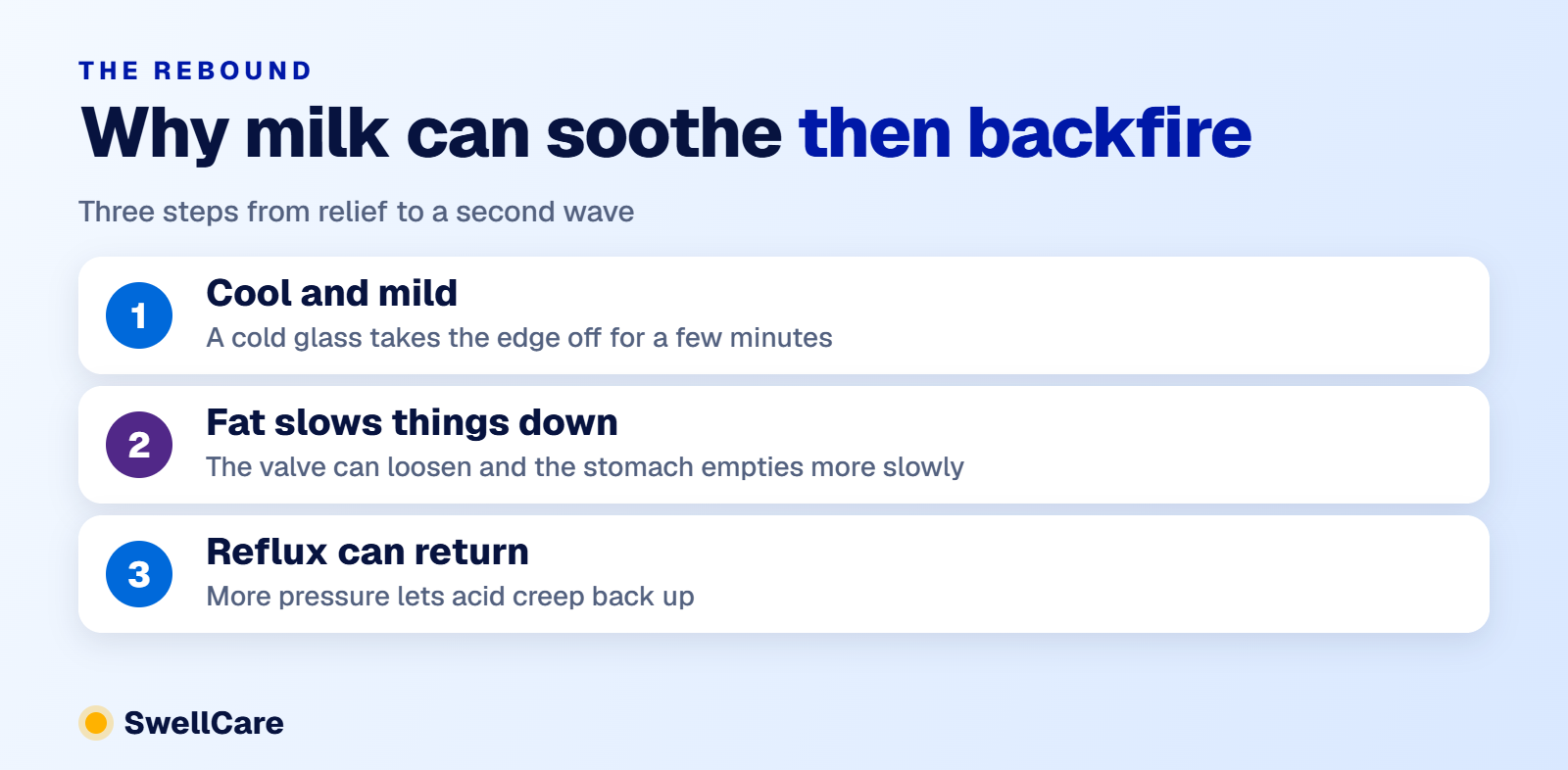
The soothing part is real, but short
Reflux happens when stomach acid slips up into the esophagus, the tube that carries food to your stomach. That lining isn’t built for acid, so it burns. A cool, mild liquid can calm that feeling. Healthline puts cow’s milk at roughly pH 6.8, far less acidic than stomach acid.
So the relief is genuine. It just doesn’t last.
Why heartburn can come back harder
Here’s the catch. Fat can relax the lower esophageal sphincter, the valve (the LES) that keeps stomach contents where they belong. It also slows how fast the stomach empties. A fuller, slower stomach means more pressure, and a loose lower esophageal sphincter lets acid creep back up the esophagus.
Protein adds a twist. Researchers aren’t sure whether milk protein helps or hurts, because it may buffer acid but can also prompt the stomach to make more. That mixed picture is one reason some people describe calm, then a second wave. The LES is the gatekeeper in all of this.
Whole, low-fat, skim or plant milk: which is best for acid reflux?
If you’re going to try it, the type matters more than the temperature.
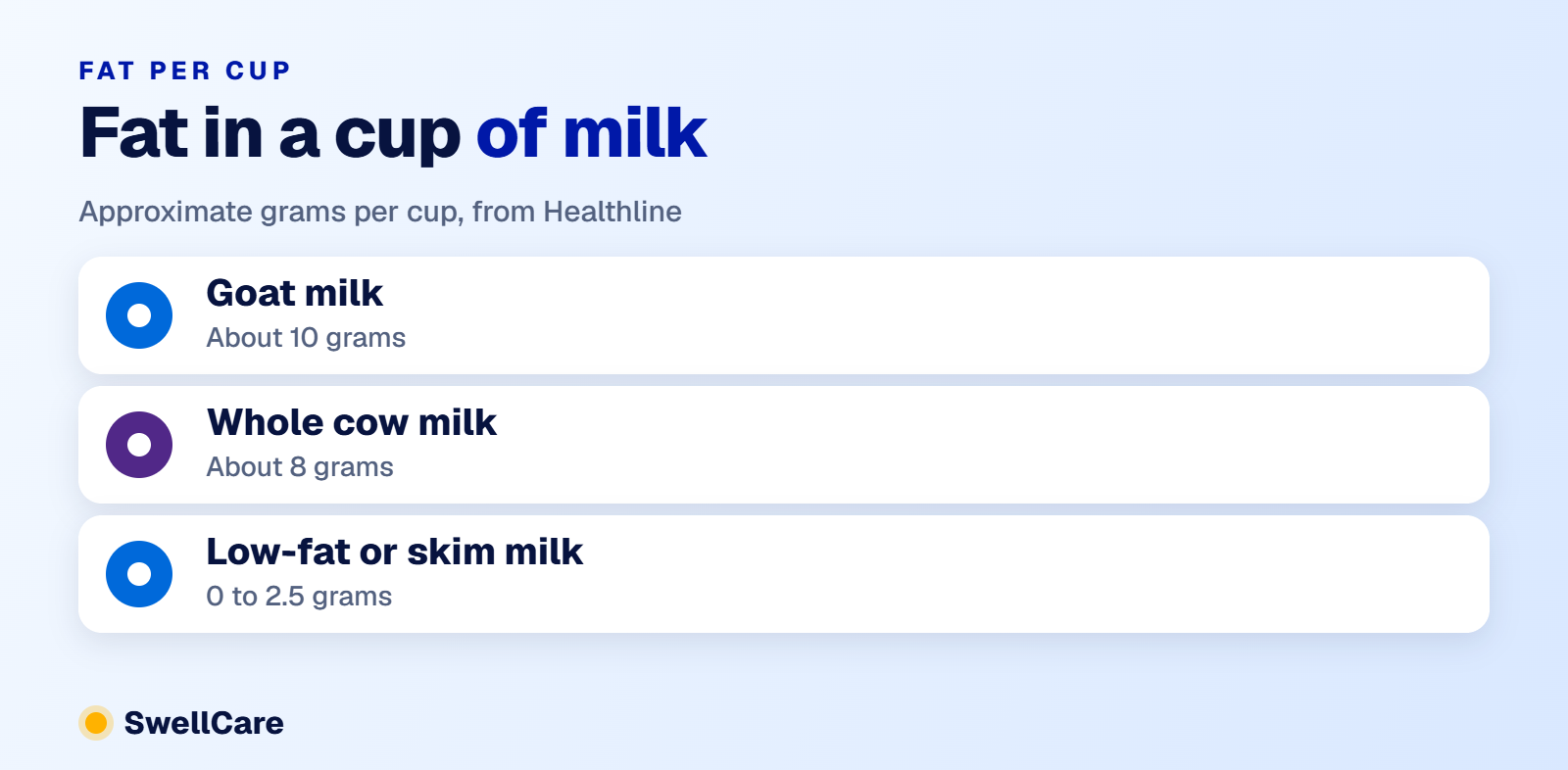
Whole milk
A cup has about 8 grams of fat. That’s the dairy version most likely to set off heartburn in people who are sensitive to fatty foods. Goat milk is higher still, at around 10 grams a cup, so it’s no shortcut.
Low-fat and skim milk
Low-fat milk has 0 to 2.5 grams per cup. Healthline’s dietitian-reviewed article suggests skim milk may be the better pick, since its protein and calcium could help buffer acid. One 2019 study of about 11,700 people linked higher dietary calcium to lower reflux risk in men.
Almond, oat and soy milk
Plant milks are usually lower in fat. Almond milk is more alkaline than cow’s milk, with a pH near 8.4, so it may neutralize some acid. The evidence that it actually helps is thin, though. Try one at a time, pick unsweetened, and see how your body responds.
If you’re lactose intolerant
Lactose problems cause bloating and belly pain, and sometimes nausea. People often call that heartburn, but the medical community doesn’t count reflux as a lactose symptom. Lactose-free milk can settle the bloating, but it isn’t lighter, so it won’t fix reflux on its own.
When milk might still be okay
Some people tolerate a small glass of skim milk with no trouble, and cutting out dairy you tolerate can leave you short on calcium and protein. Test it.
Here’s a fair experiment. Have one small low-fat glass with a meal, not as a midnight fix. Note how you feel for two hours and again the next morning. Do it three times. If symptoms show up each time, you’ve found one of your trigger foods.
Warm milk gets a lot of love at bedtime. Nothing suggests the temperature changes what’s inside, so it won’t behave differently from cold. And milk at night, right before you lie down, is the worst timing of all.
What works better than milk for heartburn
Habits that matter most
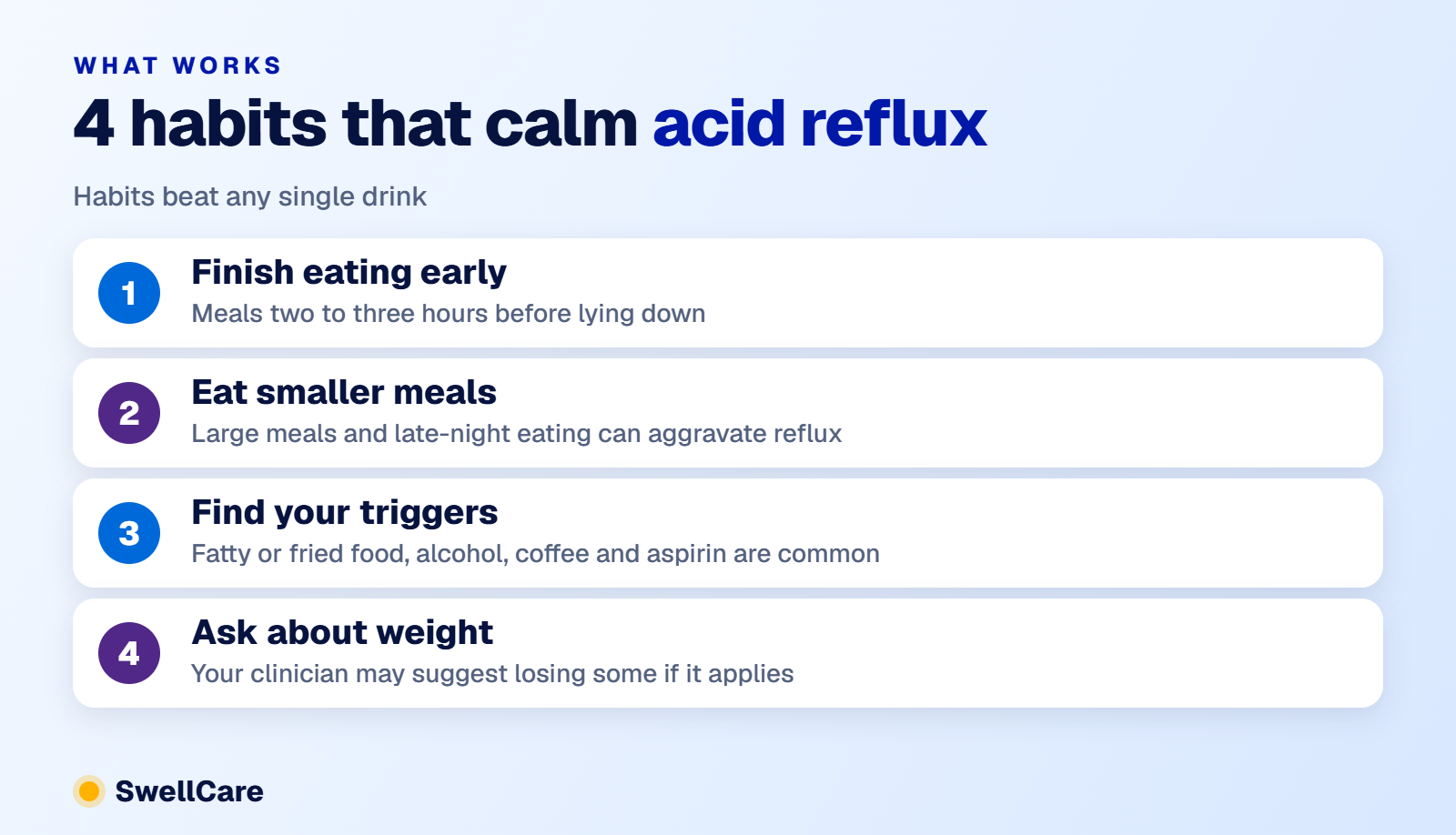
Lifestyle changes come first. The NIDDK says a doctor may recommend eating meals two to three hours before lying down and avoiding foods and drinks that set off your symptoms. If you carry extra weight, your clinician may suggest losing some.
Mayo Clinic lists large meals, late-night eating, fatty or fried food, alcohol and coffee, plus aspirin, as common aggravators. A 2019 review in the Journal of Thoracic Disease found support for broader changes, such as improving overall eating habits, cutting sugar and adding fiber, rather than for long lists of banned foods. In other words, your whole diet and lifestyle count more than one glass. Keep a short list of your own trigger foods and check it against your symptoms.
Diet tweaks and drinks worth trying
Water is the easy start. Sip it with meals; it dilutes acid a little and helps food move along. Keep a glass of water nearby instead of milk. Many clinicians also suggest oatmeal, bananas, ginger tea or plain low-fat yogurt. The evidence for each is modest, but they’re low-risk and gentle on digestion. Stress can make symptoms feel louder and changes how you eat, so a calmer evening routine helps too.
Over-the-counter options
Antacids give quick, short-lived relief. Stronger medicines such as H2 blockers and proton pump inhibitors reduce acid production for longer relief. If you need nonprescription heartburn medicine more than twice a week, Mayo Clinic says it’s time to book an appointment.
When heartburn needs a clinician
Frequent reflux has a name: GERD, short for gastroesophageal reflux disease. It often involves a weak LES.
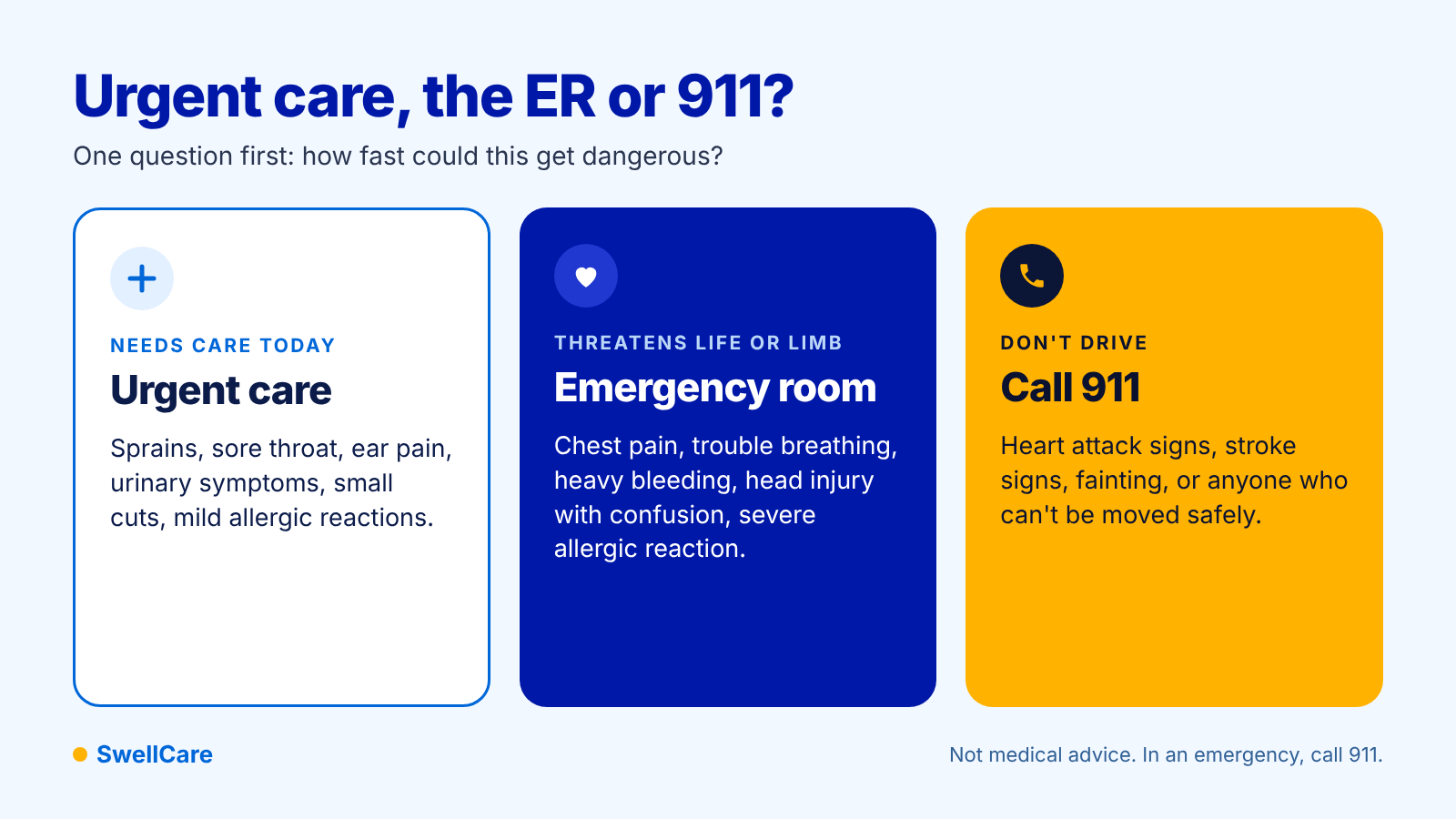
Call 911 for chest pain, especially with shortness of breath or pain in your jaw or arm. That can be a heart attack, not heartburn. Not sure which setting fits? Our guide on urgent care versus the ER can help.
Make an appointment if you have severe or frequent symptoms, trouble swallowing, food that feels stuck, a chronic sore throat, hoarseness, or a cough at night.
Get reflux help from SwellCare
If milk and antacids haven’t stopped the burn, it’s worth talking to someone. SwellCare’s online urgent care offers clinician-led, non-emergency care by video or chat. A clinician can review your symptoms and medicines, look at your triggers, and tell you whether this looks like simple reflux or something that needs testing. Prescriptions are never guaranteed, and SwellCare is not for emergencies, so call 911 for chest pain or trouble breathing.
Questions people ask about milk and acid reflux
Does milk help acid reflux at night?
Usually not. Lying down soon after a glass of milk makes reflux easier, and it can slow digestion, which takes hours to finish. If you want something before bed, keep it small, choose a lighter option, and stay upright for two to three hours first. A few sips of water beat a glass of milk.
Is warm milk better for acid reflux than cold milk?
No good evidence says so. Temperature isn’t what triggers heartburn. What’s in the glass and when you drink it are. Heated or not, whole milk is still whole milk.
Can I drink milk every day if I have GERD?
You can if it doesn’t trigger your symptoms. The lighter option is the safer bet. Track how you feel, because GERD that keeps flaring deserves a clinician’s review no matter what’s in your glass.
Which milk is best for acid reflux?
Skim or 1% is the usual first choice, since it’s the lightest. Some people do better with unsweetened almond or soy milk. Ginger tea is another low-risk swap. Everyone differs, so try one change at a time.
Does milk neutralize stomach acid?
Only briefly, and only a little. Milk is mildly acidic to neutral, so it dilutes the sting for a few minutes of temporary relief. It doesn’t stop your stomach from making acid, and it can make reflux more likely afterward.
Is yogurt okay for acid reflux?
Plain yogurt is often well tolerated, and dairy foods vary a lot. Full-fat versions raise the same concern as whole milk, so read the label and watch your own response.
Trusted references
Public-health, research, and medical-society resources related to this guide.