Nothing changed. Same breakfast, same commute, same couch. Then one morning your hemorrhoids flare up and sitting becomes a negotiation. So what foods trigger hemorrhoids, and was it something you ate?
Probably, yes. But not the way most lists tell it. The usual suspects are foods that leave you constipated: the cheese pizza, the drive-through lunch, a week of white bread. They don’t inflame anything directly. They make stool hard. That means straining, and hemorrhoids are swollen veins that react badly to pressure.
Why most trigger foods work through constipation
The National Institute of Diabetes and Digestive and Kidney Diseases (NIDDK) lists a low-fiber diet among the causes of hemorrhoids, next to straining, long stretches on the toilet and chronic constipation or diarrhea. Notice what’s missing? A single villain food.
Here’s the chain. Meals short on fiber slow everything down. Stool dries out. You push harder during bowel movements, pressure builds in the veins around the anus, and they swell. Then come the symptoms: itching, a tender lump, or bright red blood on the toilet paper. Constant straining keeps hemorrhoids swollen and makes every symptom louder.
Research on diet and hemorrhoids is still young. A 2024 preprint that tested 17 dietary factors with genetic data linked more alcohol and processed meat to higher hemorrhoid odds, and more fruit and vegetables to lower odds. It hasn’t been peer reviewed and only covered people of European ancestry. Treat it as a nudge, not a verdict.
What foods trigger hemorrhoids flare-ups?
Here are the repeat offenders, starting with the ones that most often set off flare-ups.
Refined grains and other low-fiber foods
White bread, white pasta, pastries, chips. Milling strips out the bran, and the bran is where the fiber lives. If constipation is behind your hemorrhoids, NIDDK’s diet advice says to limit foods with little or no fiber, and its examples include chips, fast food and microwavable dinners.
Fried and processed foods
Hot dogs, bacon, deli meat, frozen meals, fried everything. They’re heavy on fat and light on fiber, so they move slowly. Processed meat also showed up in that preprint. One burger won’t wreck your hemorrhoids. A steady diet of them might bring flare-ups more often.
Cheese, ice cream and other dairy
Cheese and ice cream are both on NIDDK’s list of low-fiber foods to limit. Dairy constipates plenty of people. For anyone who’s lactose intolerant, it can cause diarrhea instead, and chronic diarrhea is on NIDDK’s list of causes too.
Alcohol, coffee and dehydration
Alcohol dries you out, and that makes everything harder to pass. Coffee is a coin flip. The same preprint’s coffee result didn’t hold up under its own validation check, so track how you feel and what your symptoms do instead of guessing.
Does spicy food trigger hemorrhoids?
It’s the food everybody blames, and the best evidence says relax. In a 2006 randomized trial, 50 people with hemorrhoids took chili powder one week and a placebo the next, and their symptoms didn’t differ over 48 hours. It was a small trial, and the people in it started with fairly mild symptoms. Spicy food probably doesn’t create hemorrhoids or make them worse for most people. Some do get diarrhea after very hot meals, though, so ease off spicy food if that’s you.
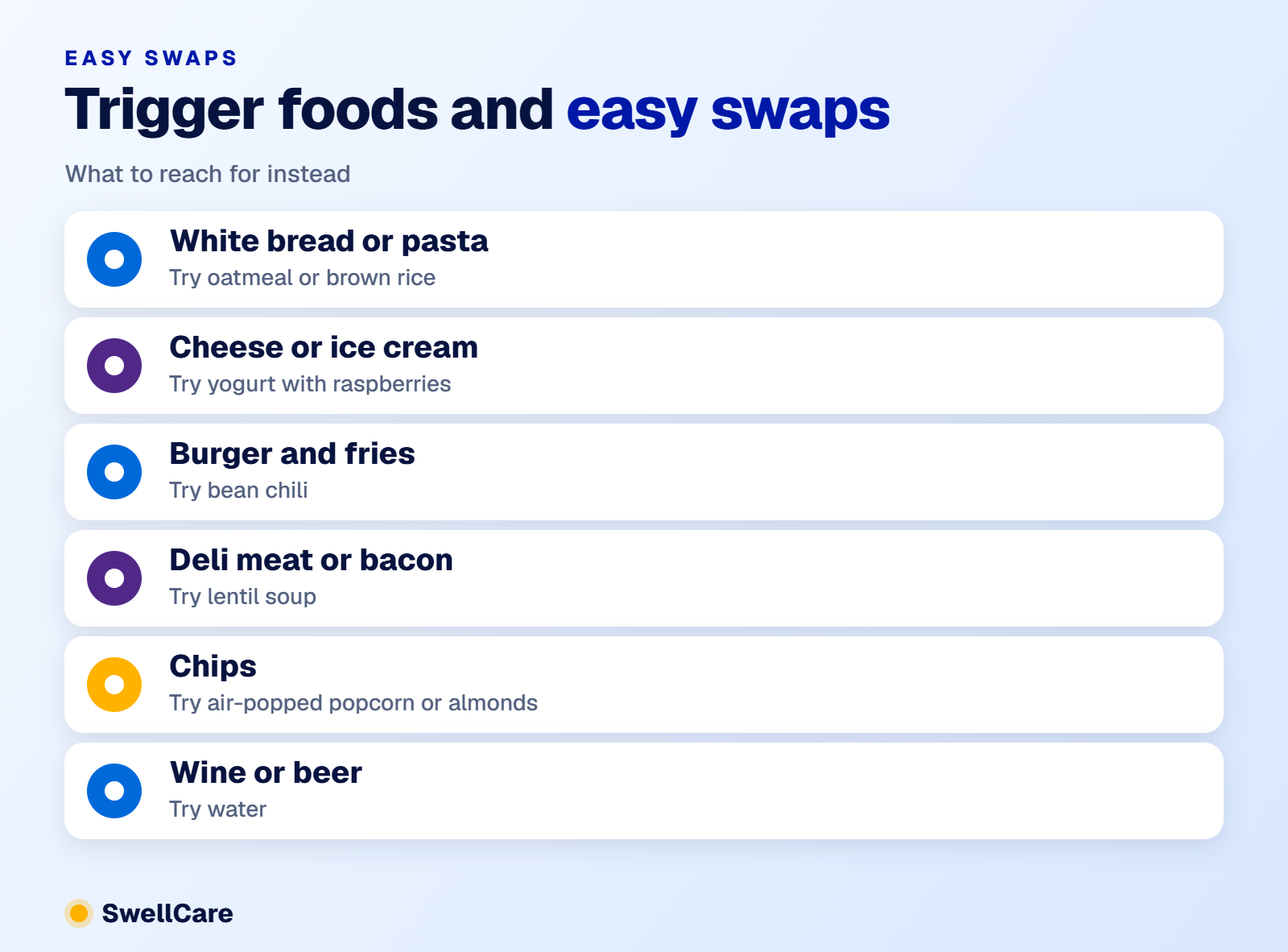
Trigger foods and easy swaps
| If you reach for | Why it backfires | Try this |
|---|---|---|
| White bread or pasta | Little fiber | Oatmeal, brown rice |
| Cheese or ice cream | Slow digestion and almost no fiber | Yogurt with raspberries |
| Burger and fries | Fried, low-fiber | Bean chili |
| Deli meat or bacon | Processed | Lentil soup |
| Chips | Crunchy but empty | Air-popped popcorn, a handful of almonds |
| Wine or beer | Dehydrates you | Water |
How much fiber do you need?
The Dietary Guidelines for Americans suggest 14 grams per 1,000 calories, which NIDDK translates to about 28 grams a day on a 2,000-calorie diet. Plenty of us land well short. Fiber is your best defense against constipation and the straining that comes with it.
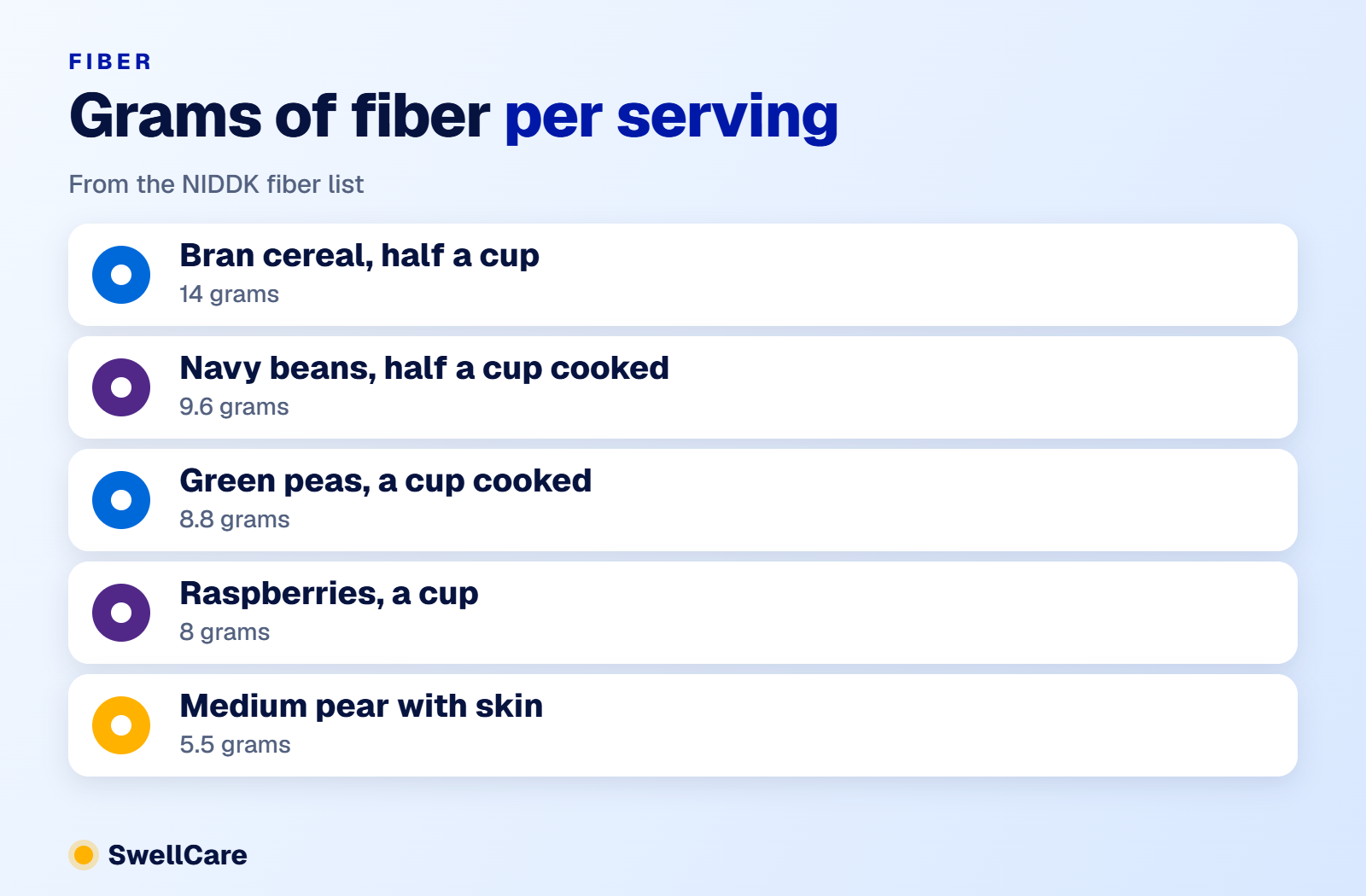
Numbers help. NIDDK lists half a cup of cooked navy beans at 9.6 grams, a cup of raspberries at 8, a medium pear with skin at 5.5, and half a cup of high-fiber bran cereal at 14. Raspberries and pears are easy fruits to start with. Green peas are a solid vegetable pick too, at 8.8 grams for a cup cooked.
Two kinds matter. Soluble fiber (oats, beans, apples) turns gel-like and softens stool. Insoluble fiber (whole grains, vegetable skins) adds bulk. You want both, and softer movements are the best protection for sore hemorrhoids.
Go slow. Jump from 10 grams to 30 overnight and you’ll earn gas and bloating, beans especially. Add a few grams every couple of days, with water.
Water and bathroom habits matter as much as food
Fiber without water is a brick. Drink fluids through the day, and let your urine run pale yellow.
Habits count too, especially with sore hemorrhoids. New guidance from the American Gastroenterological Association, reported by HealthDay in April 2026, says to keep toilet time to about five minutes and skip the phone. Scrolling is how a two-minute task becomes fifteen, and long sessions raise pressure on those veins. The same guidance backs more beans, whole grains, fruits and vegetables.
Don’t ignore the urge, either. Putting off bowel movements makes everything harder and drier.
A simple 7-day reset
- Days 1 to 2: swap one refined breakfast for oatmeal with berries, an easy dose of soluble fiber.
- Days 3 to 4: add a half cup of beans or lentils to lunch, plus two servings of fruits or vegetables a day.
- Days 5 to 6: drop alcohol and fast food, and fill the water bottle twice.
- Day 7: note your bowel movements and how your hemorrhoids feel, and keep what worked.
When to see a clinician
Diet helps hemorrhoids, but it isn’t a diagnosis. NIDDK says to get checked if symptoms last more than a week despite home care, or if you have any rectal bleeding. Bleeding can also come from Crohn’s disease, ulcerative colitis, or colon or rectal cancer, so don’t assume.
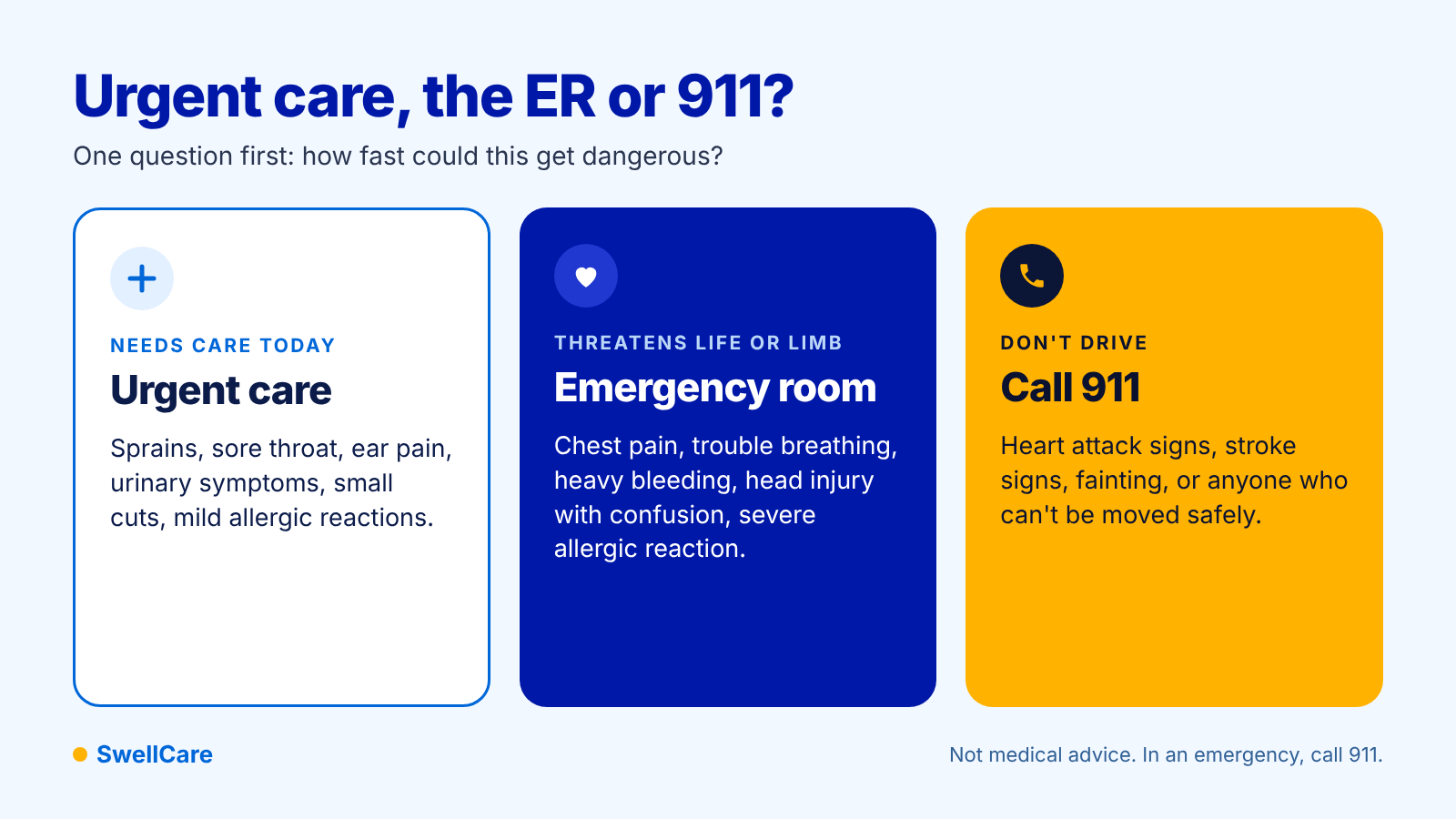
Heavy bleeding, dizziness or severe pain needs urgent care. Not sure which setting fits? Our guide on urgent care versus the ER can help.
Get your symptoms checked with SwellCare
Not sure where you fall? SwellCare’s online urgent care offers clinician-led, non-emergency care by video or chat, so a clinician can talk through your symptoms and tell you whether your hemorrhoids need an in-person exam. Prescriptions are never guaranteed, and SwellCare is not for emergencies. You can also browse more guides in the SwellCare Health Journal, including our guide on whether hemorrhoids go away on their own.
Questions people ask about foods and hemorrhoids
Which foods are worst for hemorrhoids?
Foods that constipate you: refined grains, cheese, fried and processed meats, fast food, chips. Alcohol is the other big one because it dehydrates you. How much any one food matters for hemorrhoids varies from person to person, so watch your own symptoms and pattern.
Are dates good for hemorrhoids?
They can fit into a high-fiber plan. Dates carry fiber, so a few can help keep stool soft. They’re sugar-dense, though, so eat them by the handful, not the box, and drink water with them.
Does coffee trigger hemorrhoids?
The evidence is mixed. Some people find coffee loosens things up, and others find it dries them out. If flare-ups follow your morning cup more than once, try cutting back and see whether your hemorrhoids settle.
How long does a flare-up take to settle?
NIDDK says external hemorrhoid symptoms often clear within a few days. If your hemorrhoids haven’t improved after a week of fiber, fluids and easier bathroom habits, or if you see blood, get seen.
Trusted references
Public-health, research, and medical-society resources related to this guide.