It’s day four. You feel full, a little heavy, and the bathroom hasn’t been your friend all week. If you started semaglutide recently or just moved up a dose, that’s probably not a coincidence.
Semaglutide constipation is one of the most common GI side effects of Ozempic, Wegovy and Rybelsus. The good news? It’s usually mild, it usually fades, and you can often get relief from constipation within a day or two with fluids, the right foods and one well-chosen laxative. Below: why it happens, a 72-hour plan, and the red flags that mean you shouldn’t wait.
Why semaglutide causes constipation
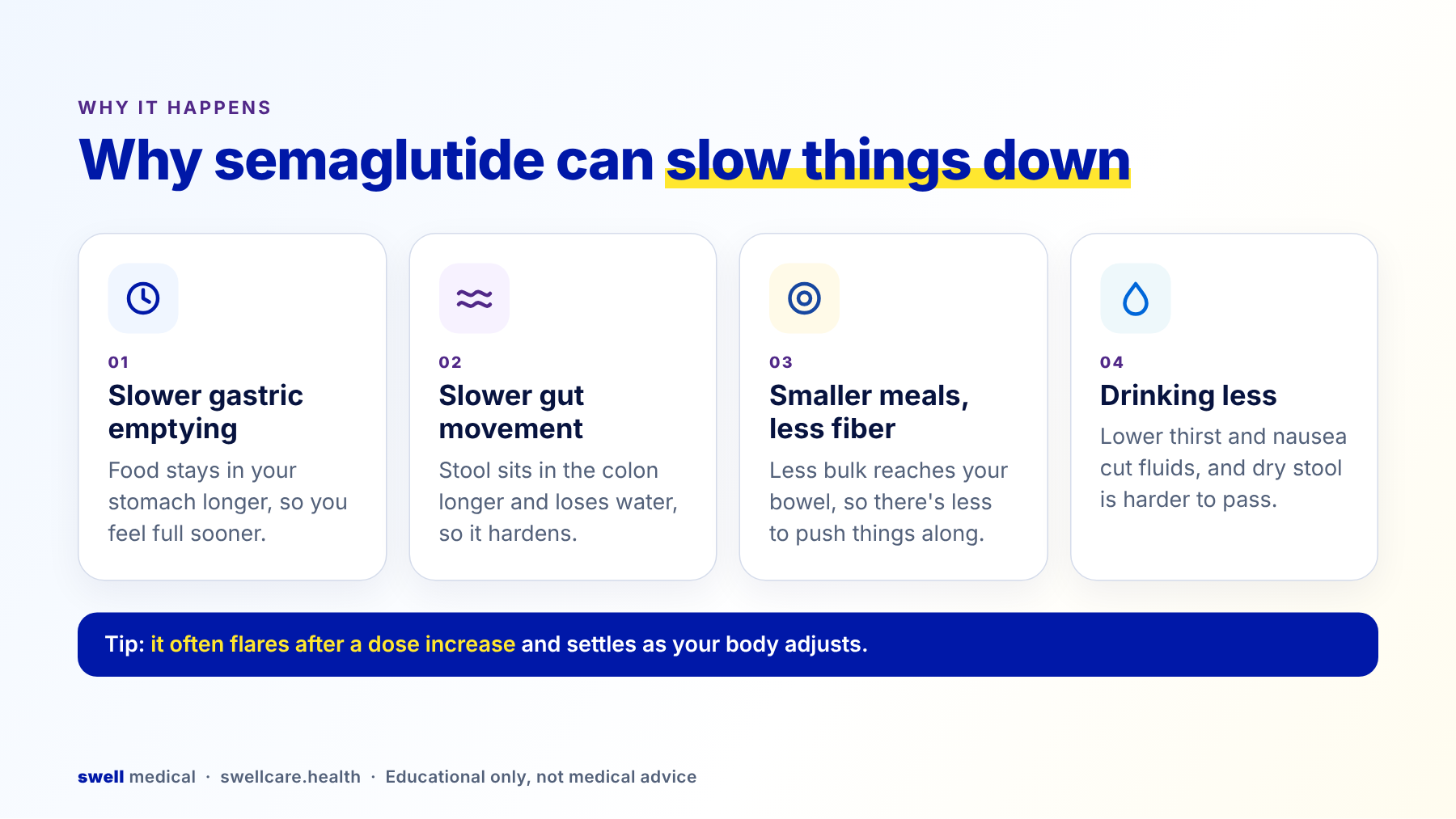
Semaglutide is a GLP-1 receptor agonist. It copies a gut hormone your body already makes after meals. That hormone helps control blood sugar in type 2 diabetes and turns down appetite, which is why the same drug is also sold for weight loss. The catch? It slows digestion from top to bottom.
Your gut moves more slowly
The best-known effect is slower gastric emptying. Food sits in your stomach longer, so you feel full sooner and for longer. Gut motility further down slows too, and that’s where constipation starts. When stool spends extra time in the colon, your body keeps pulling water out of it, so it gets drier and harder to pass. Slower digestion and slower gastric emptying are part of how the medicine controls blood sugar and appetite, which is why the aim is to manage them rather than fight them.
Less food and water means less stool
Here’s the part most people miss. On semaglutide you eat less. Sometimes a lot less, which means less bulk and fiber for your bowel to work with. Many people also drink less because they don’t feel thirsty, or because nausea from a slow stomach makes drinking unappealing. Exercise often drops off in the early weeks too. Mild dehydration plus low fiber is the classic recipe for constipation.
That also means fewer bowel movements aren’t automatically a problem. Less food in means less stool out. If you’re eating half of what you used to, pooping less often can be normal. True constipation is about stool that’s hard, painful or incomplete, or a big change from your usual pattern.
How common is it, and how long does it last?
Pretty common. In weight management clinical trials, 24% of adults on semaglutide 2.4 mg (the Wegovy dose) reported constipation, compared with 11% on placebo, according to the Wegovy prescribing information on DailyMed. Nausea and diarrhea were more common than constipation, and vomiting affected about one in four. Ozempic, which uses lower doses for type 2 diabetes, also lists constipation among the frequent side effects seen in its clinical trials.
Most of it is mild. A pooled analysis of the STEP 1-3 trials found that 98% of gastrointestinal events on semaglutide 2.4 mg were mild to moderate, and most were temporary. They clustered around dose escalation, the weeks when your dose steps up.
So how long does semaglutide constipation last? For most people it eases within days to a few weeks as the body adjusts to each new dose. The weight-loss schedule, for example, climbs from 0.25 mg to 2.4 mg over about 16 weeks, and each step can bring a fresh bout of constipation. If it hangs on past a few weeks at a stable dose, talk to your healthcare provider rather than living with it.
Fast relief: a 72-hour plan
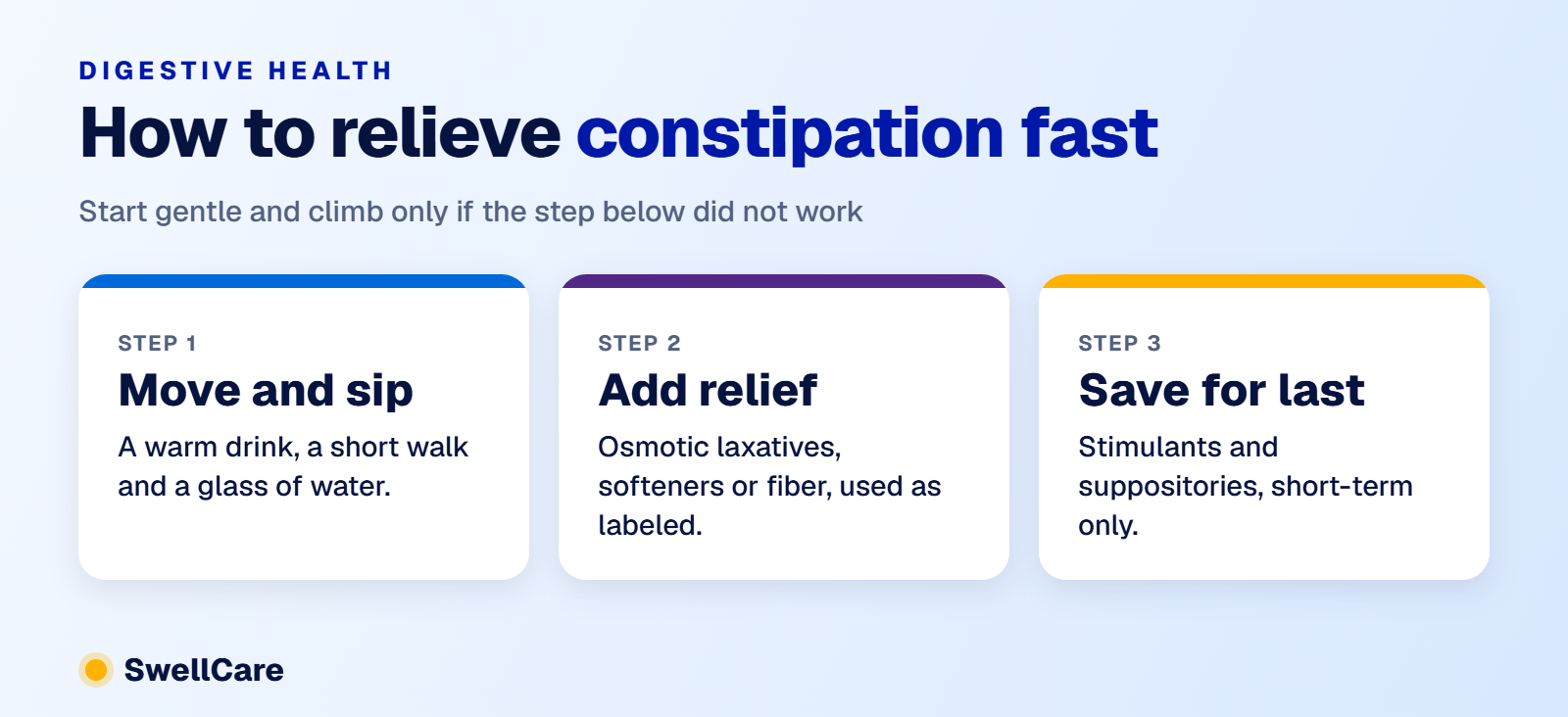
Already backed up? Here’s a sensible order.
Drink more than you think you need
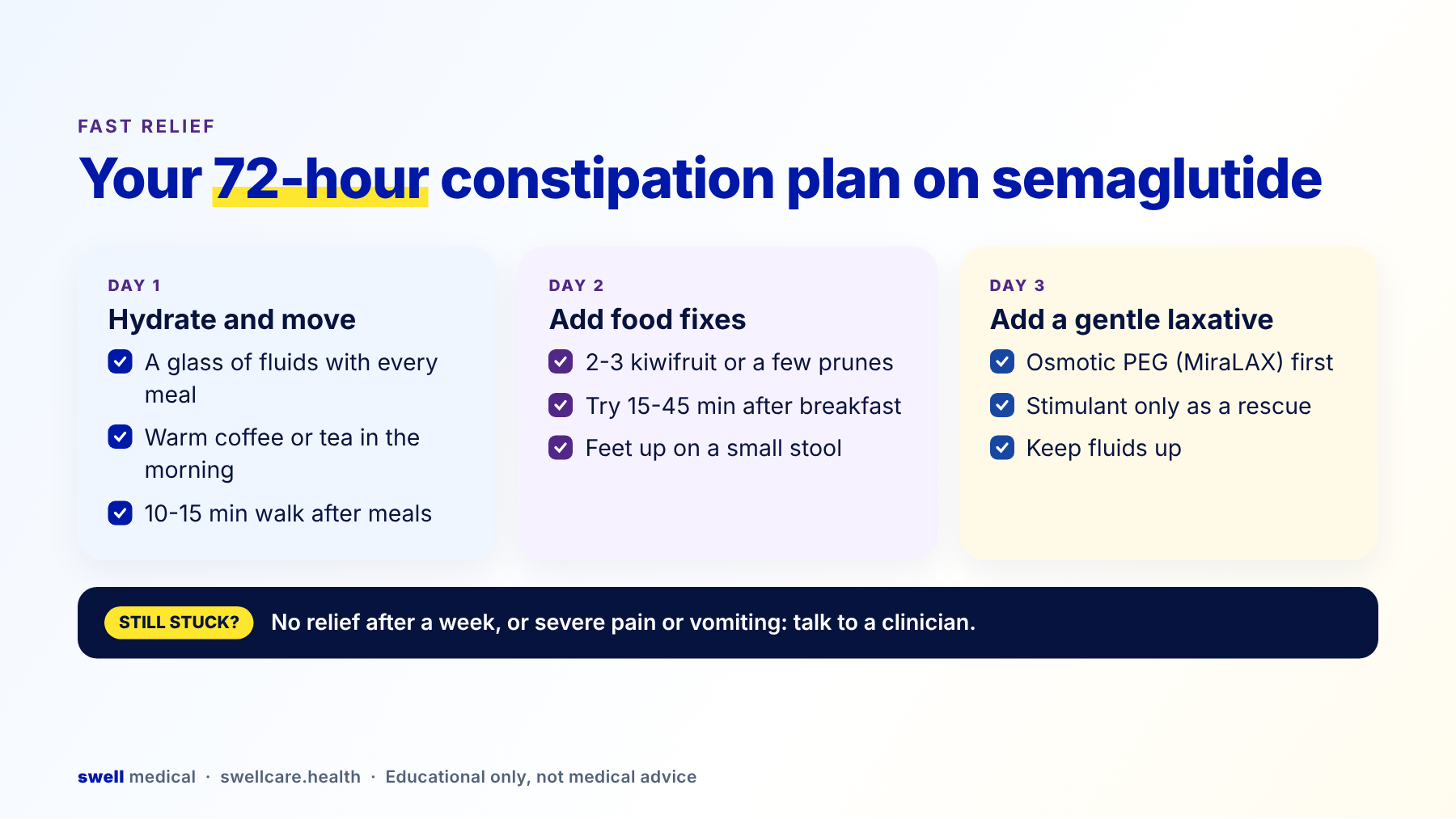
Start with hydration. Aim for a glass of fluids with every meal and one between meals, more if it’s hot or you exercise. Warm drinks in the morning, like coffee or tea, can nudge the colon too.
Good hydration protects your kidneys as well. The prescribing label notes that dehydration from GI side effects has been linked to kidney problems, so keep sipping even when you feel queasy. Small amounts every 20 minutes beat one big glass if nausea is an issue.
Eat two kiwis or a handful of prunes
You don’t need a giant salad. Two to three kiwifruit a day helped in the studies behind the British Dietetic Association’s 2025 constipation guideline, and prunes made the list too. Both are small portions, which suits a smaller appetite. The same guideline found magnesium oxide and mineral-rich bottled water helpful for digestion.
Get walking after meals and use the morning window
A 10 to 15 minute walk after eating wakes up your gut. Walking is the easiest exercise to fit in, though any physical activity you’ll actually do counts. It works because movement speeds up the same gut motility that semaglutide slows, and regular physical activity keeps digestion steadier day to day.
Then give yourself time. The NIDDK suggests trying to go 15 to 45 minutes after breakfast, when the colon is naturally most active, and resting your feet on a small stool.
Use a gentle laxative if nothing’s moving
If two days of fluids, food and movement haven’t worked, it’s reasonable to add an over-the-counter (OTC) laxative from the pharmacy shelf. An osmotic laxative like MiraLAX is the one clinicians usually try first. It pulls water into the stool, it’s gentle, and it’s considered safe for longer-term use. Expect results in one to three days. If you need faster relief, a stimulant laxative works overnight, but keep those for short-term use.
Which laxatives work best on semaglutide?
Not all OTC laxatives are equal. Stool softeners are often the first thing people grab, yet stool softeners have the weakest evidence for constipation. The 2023 AGA-ACG guideline on chronic constipation gave osmotic PEG a strong recommendation. Stimulants got a strong recommendation for short-term or rescue use. Fiber, senna and magnesium oxide got softer “suggested” ratings. Docusate wasn’t graded, and older trials found it worked no better than placebo.
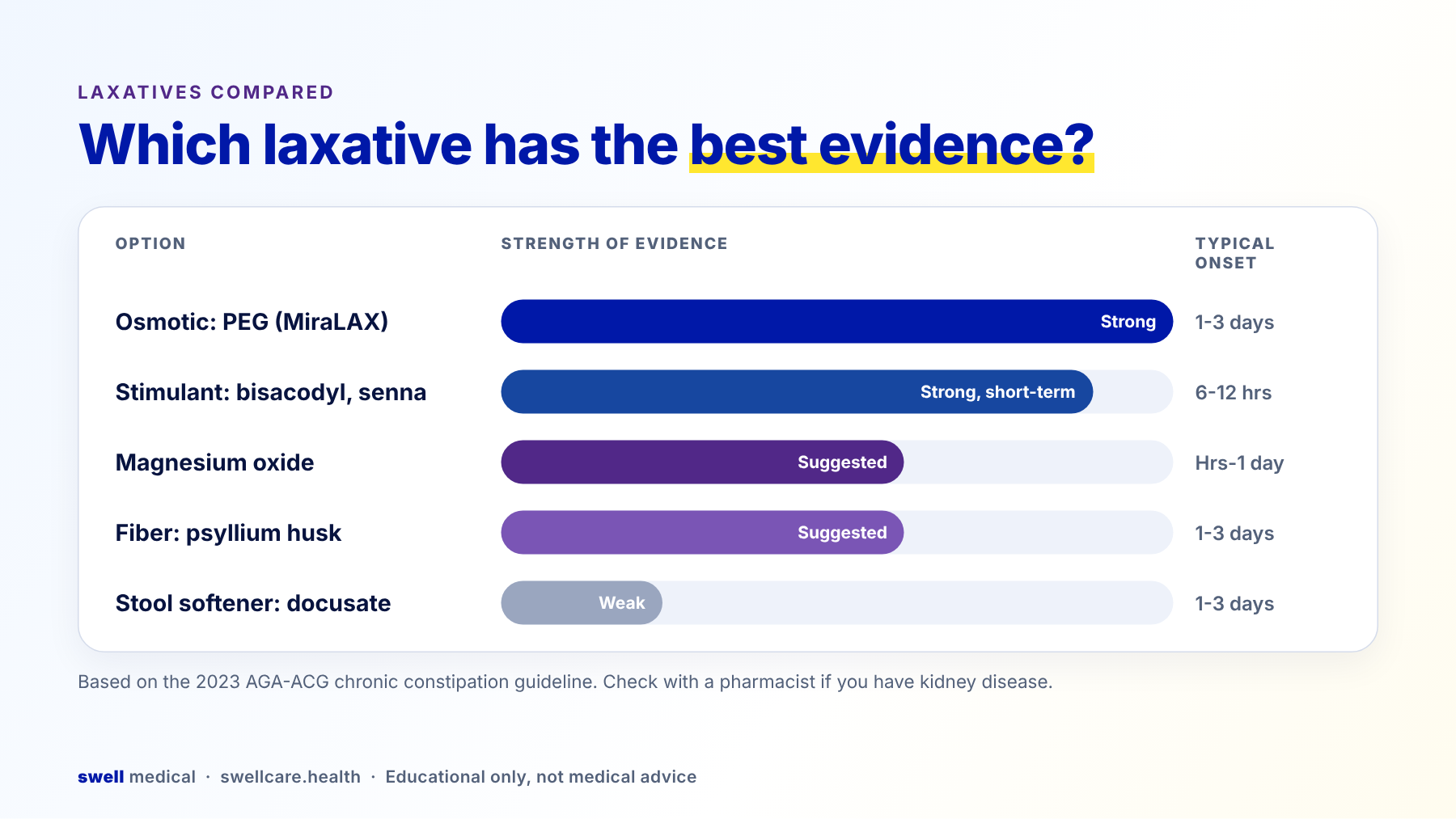
| Option | Examples | How fast | Evidence | Best for |
|---|---|---|---|---|
| Osmotic | PEG 3350 (MiraLAX) | 1-3 days | Strong | First choice |
| Magnesium | Magnesium oxide, milk of magnesia | Hours to 1 day | Suggested | Avoid with kidney disease |
| Fiber supplement | Psyllium husk (Metamucil) | 1-3 days | Suggested | Prevention, with plenty of fluids |
| Stimulant | Bisacodyl (Dulcolax), sennosides | 6-12 hours | Strong for short-term | Rescue when you’re really stuck |
| Stool softeners | Docusate sodium (Colace) | 1-3 days | Weak | Mild cases only |
A word on fiber supplements. If you’re already backed up and not drinking enough, adding psyllium can make bloating worse. Hydrate first. Then add fiber.
You can usually take OTC laxatives with semaglutide. Check with your pharmacist, doctor or healthcare provider if you have kidney disease, take other medicines that slow the gut, or need laxatives for more than a week or two.
How to prevent constipation on Ozempic and Wegovy
Prevention is easier than rescue. These habits help whether you take Ozempic, Wegovy, Rybelsus (the daily tablet for type 2 diabetes) or a compounded semaglutide.
Build fiber slowly
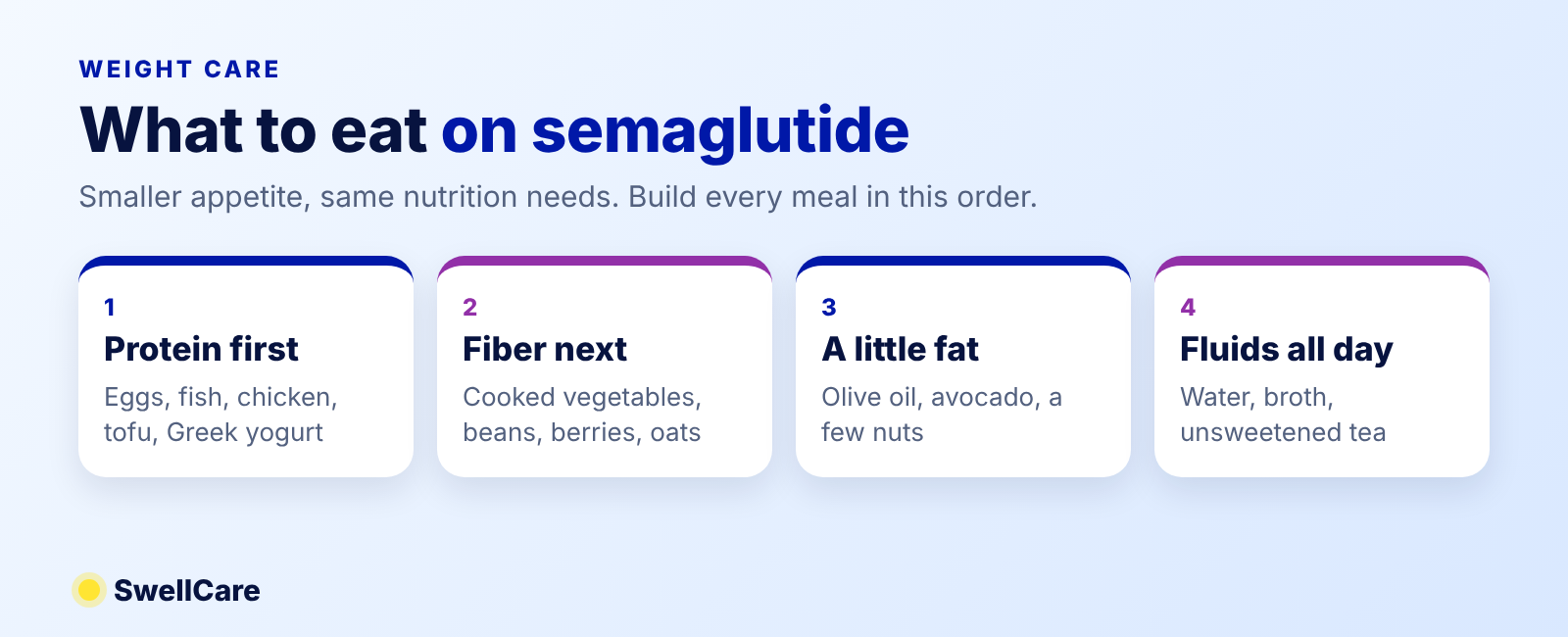
Most adults need 22 to 34 grams of fiber a day, per the NIDDK. That’s hard on semaglutide, so build up gradually and keep up your hydration as you go. Add one fiber-rich food at a time, like berries, oats, beans, chia or a kiwi, and give your gut a week to adjust. Jumping from 10 grams to 30 overnight causes gas and bloating. Some people add probiotics. The evidence for any single strain is thin, but a four-week trial is reasonable if you’re curious.
Keep protein high, but not at the expense of fruit and vegetables. A fiber-free protein shake on an empty stomach is a common culprit. Keep walking or doing light exercise most days, too.
Talk about your dosage before the next step-up
Dosage matters. Constipation tends to flare in the first weeks after each increase. If the last step was rough, ask your healthcare provider whether to stay at your current dosage a little longer before moving up. Slower dose escalation is a normal adjustment, and many people still reach their weight loss goals. Never change your semaglutide dosage on your own. Missed two or more weekly shots? Check in before restarting, since the label advises restarting lower.
When semaglutide constipation needs a doctor
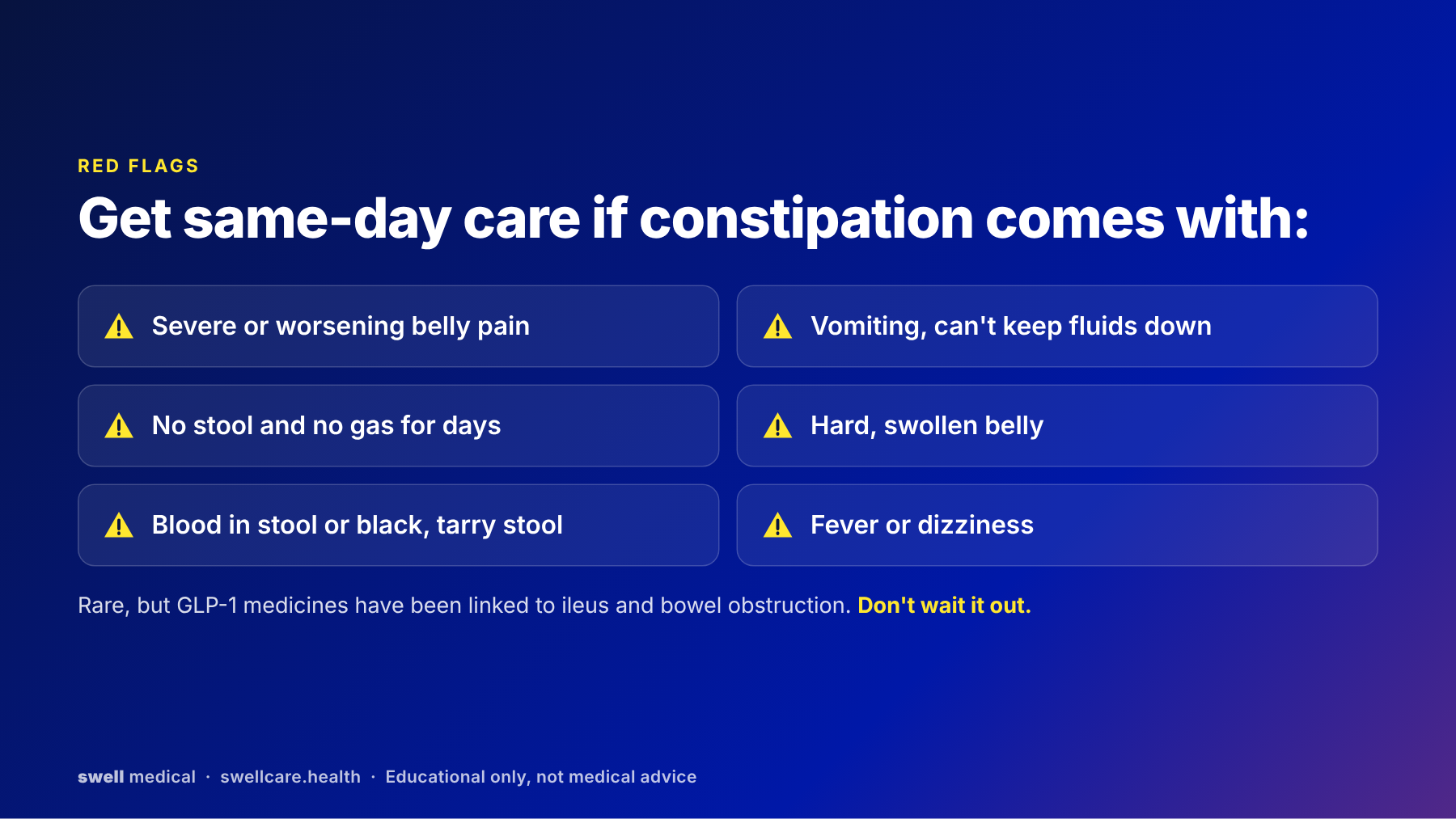
Most constipation on GLP-1 medicines is a nuisance, not an emergency. But rare serious problems do happen. In September 2023 the FDA added ileus, a type of intestinal blockage, to the Ozempic label based on safety reports sent to the FDA. A 2023 JAMA study found GLP-1 drugs used for weight loss carried about four times the risk of bowel obstruction compared with another weight loss drug, though the events were rare. The semaglutide 2.4 mg label also lists severe constipation with fecal impaction among postmarketing reports, and it isn’t recommended for people with severe gastroparesis.
Get same-day care, or go to the ER, if you have:
- Severe or worsening abdominal pain, or a belly that feels hard and swollen to the touch
- Vomiting, especially if you can’t keep anything down
- No stool and no gas for several days
- Blood in your stool or black, tarry stool
- Fever or dizziness
Also call your doctor if laxatives haven’t worked after a week or bloating keeps getting worse. Steady abdominal pain high in your belly after eating, or repeated vomiting of undigested food, can point to gastroparesis or gallbladder trouble and deserves a closer look.
Get help from a Swell clinician
You shouldn’t have to wait a week for a doctor’s appointment to find out whether your symptoms are normal. At Swell, licensed clinicians are available 24/7. If you’re on semaglutide through Swell’s MeltOff weight care program, a clinician can review side effects, adjust your weight management plan and tell you what to do next. Not a patient yet? Start an online urgent care visit and a healthcare provider will help you decide whether this can be handled at home.
Questions people ask about semaglutide constipation
What is the best remedy for constipation while on semaglutide?
Start with more fluids, two kiwis or a few prunes a day, and a short walk after meals. If that doesn’t work within two days, polyethylene glycol is a good first choice for constipation because it has the strongest evidence and it’s gentle. A stimulant like bisacodyl can help as a one-time rescue. Call your clinician if nothing works within a week.
How often should you poop on semaglutide?
There’s no magic number. Anywhere from three bowel movements a day to three a week can be normal for adults, and eating less on semaglutide often means going less often. What matters is comfort and regular bowel movements that feel complete. If stool is hard, painful or feels incomplete, or you’ve gone more than three or four days without one and feel bloated, treat it as constipation.
Can you take MiraLAX with Ozempic?
Yes, most people can. It isn’t known to interact with Ozempic, and it’s often the first of the laxatives clinicians suggest. Stool softeners are a weaker option. Mix it into a full glass of liquid and give it one to three days. Needing it most days for more than a couple of weeks? Ask your doctor to look at your dose and diet.
Does semaglutide constipation go away?
Usually, yes. Constipation tends to be worst in the first weeks after starting or increasing a dose, then eases as your digestion adjusts. In the trials, most gastrointestinal side effects were temporary. Some people need ongoing habits, like extra fluids and fiber, for as long as they take the medicine, and that’s fine. If it doesn’t improve after several weeks at a steady dose, ask about a slower plan.
Do Mounjaro and Zepbound cause constipation too?
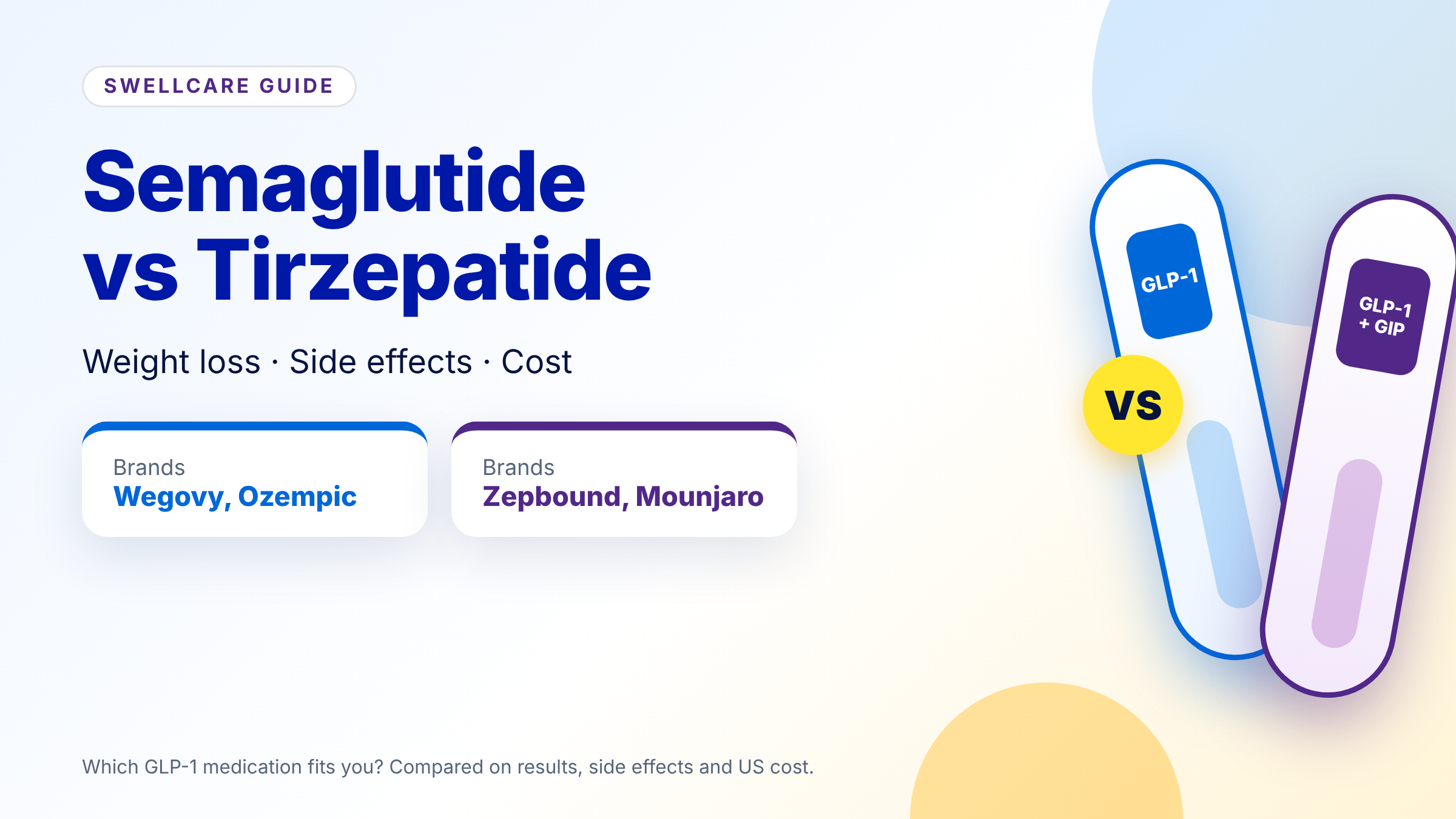
Yes. Mounjaro and Zepbound contain tirzepatide, which acts on GLP-1 plus a second gut hormone. Constipation and diarrhea are both known side effects. The same relief steps apply. If you’re switching between Mounjaro and semaglutide, expect your gut to need a few weeks to settle.
Trusted references
Public-health, research, and medical-society resources related to this guide.
- DailyMed: Wegovy prescribing information
- PubMed Central: Pooled analysis of the STEP 1-3 trials
- News-Medical: British Dietetic Association’s 2025 constipation guideline
- NIDDK: Constipation, treatment
- American Gastroenterological Association: 2023 AGA-ACG chronic constipation guideline
- EurekAlert: 2023 JAMA study (news release)